Veterinary Radiology & Diagnostic Imaging in Meadow Vista
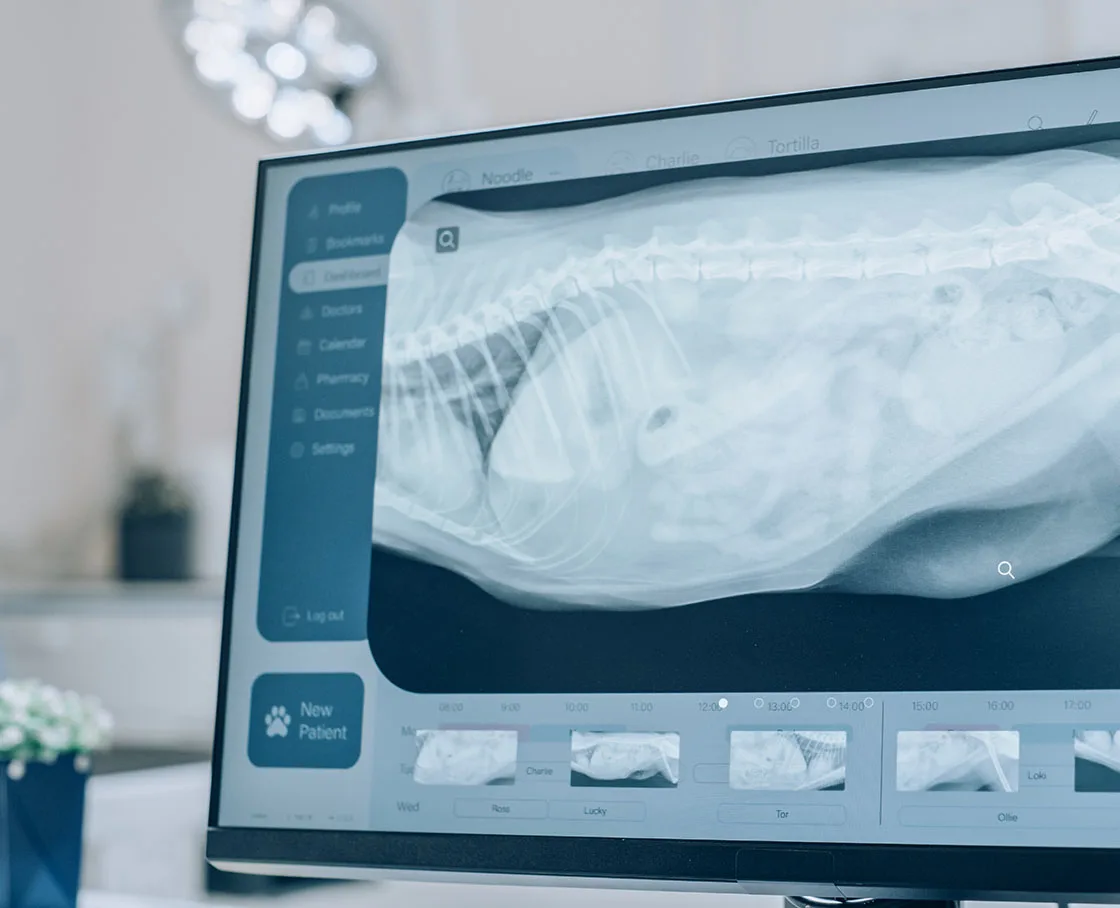
Veterinary radiology uses advanced imaging technologies to examine structures inside your pet’s body. These detailed images can help identify injuries, locate abnormalities, evaluate organ function, and provide information that cannot always be obtained through a physical examination alone.
At Meadow Vista Veterinary Clinic, your pet will be seen by a board certified veterinary radiologist from Sierra Mobile Veterinary Specialists. Sierra Mobile Veterinary Specialists work closely with us, your primary care veterinarian, to support accurate diagnoses and informed treatment decisions.
What Is Veterinary Radiology?
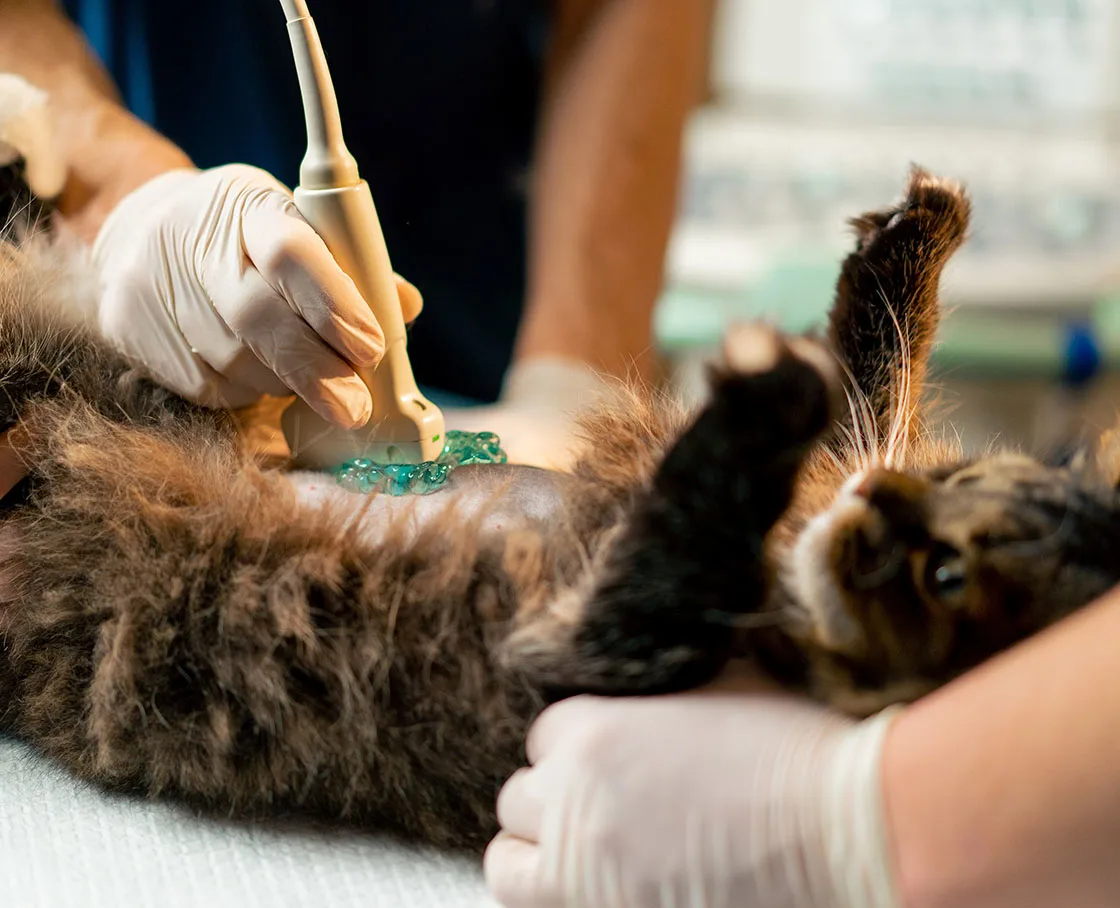
Veterinary radiology, also called diagnostic imaging, is the specialty dedicated to obtaining and interpreting medical images. Depending on the technology used, imaging can provide detailed views of bones, joints, organs, blood vessels, the nervous system, and soft tissues.
Diagnostic imaging can help veterinarians:
Detect injuries or disease
Evaluate the location and extent of an abnormality
Examine areas that cannot be assessed externally
Plan surgical or medical treatment
Monitor changes in a condition over time
Evaluate a patient’s response to treatment
Guide certain sampling or interventional procedures
Each imaging method provides different information. Your veterinary team will determine which study is appropriate based on your pet’s symptoms, examination findings, and medical history.
What Is a Board-Certified Veterinary Radiologist?
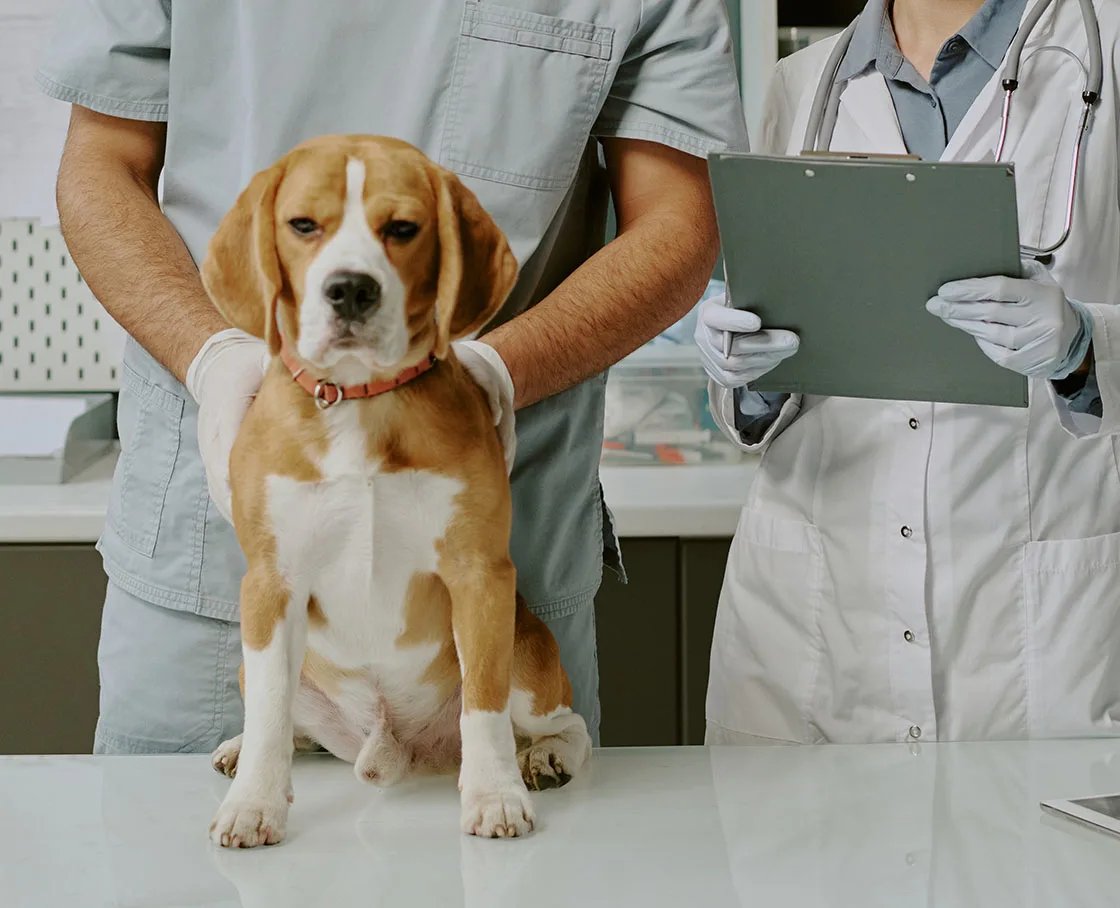
A board-certified veterinary radiologist has completed veterinary school followed by advanced clinical training focused on diagnostic imaging, typically including an internship or equivalent experience and a radiology residency.
Candidates must also fulfill the requirements of the American College of Veterinary Radiology and pass and pass a comprehensive certification examination. Passing these rigorous board exams officially makes your veterinarian a specialist, earning them the title of 'Diplomate' and the trusted 'DACVR' credentials.
This advanced training prepares veterinary radiologists to select appropriate imaging techniques, oversee imaging studies, interpret complex findings, and collaborate with other veterinarians to guide patient care.
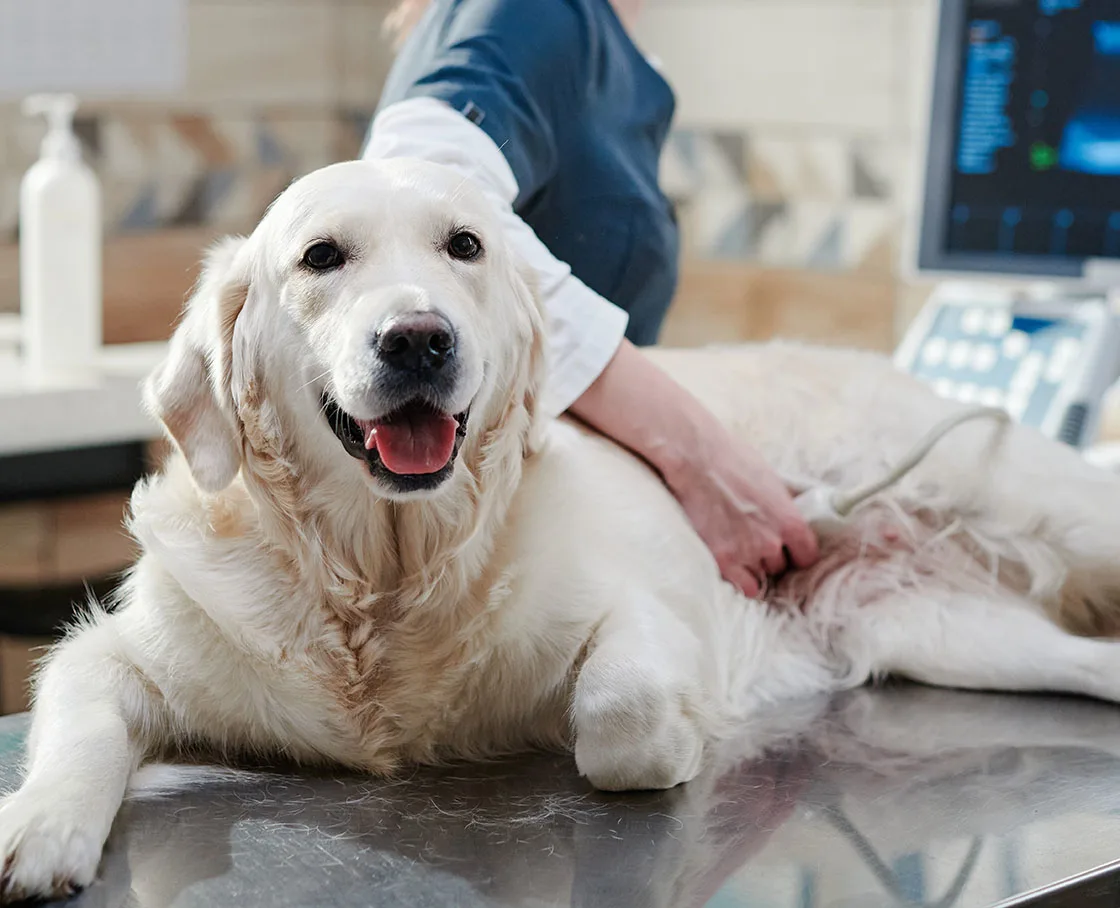
Conditions Evaluated Through Diagnostic Imaging
Veterinary diagnostic imaging can help investigate a broad range of medical concerns, including:
Bone fractures and joint injuries
Arthritis and other orthopedic conditions
Spinal and neurologic disorders
Abdominal pain or swelling
Gastrointestinal disease
Heart and lung conditions
Urinary or reproductive disorders
Liver, kidney, and endocrine disease
Masses and suspected cancer
Unexplained pain, weakness, or lameness
Congenital abnormalities
Traumatic injuries
Imaging findings are considered alongside your pet’s examination, medical history, laboratory results, and other diagnostic information.
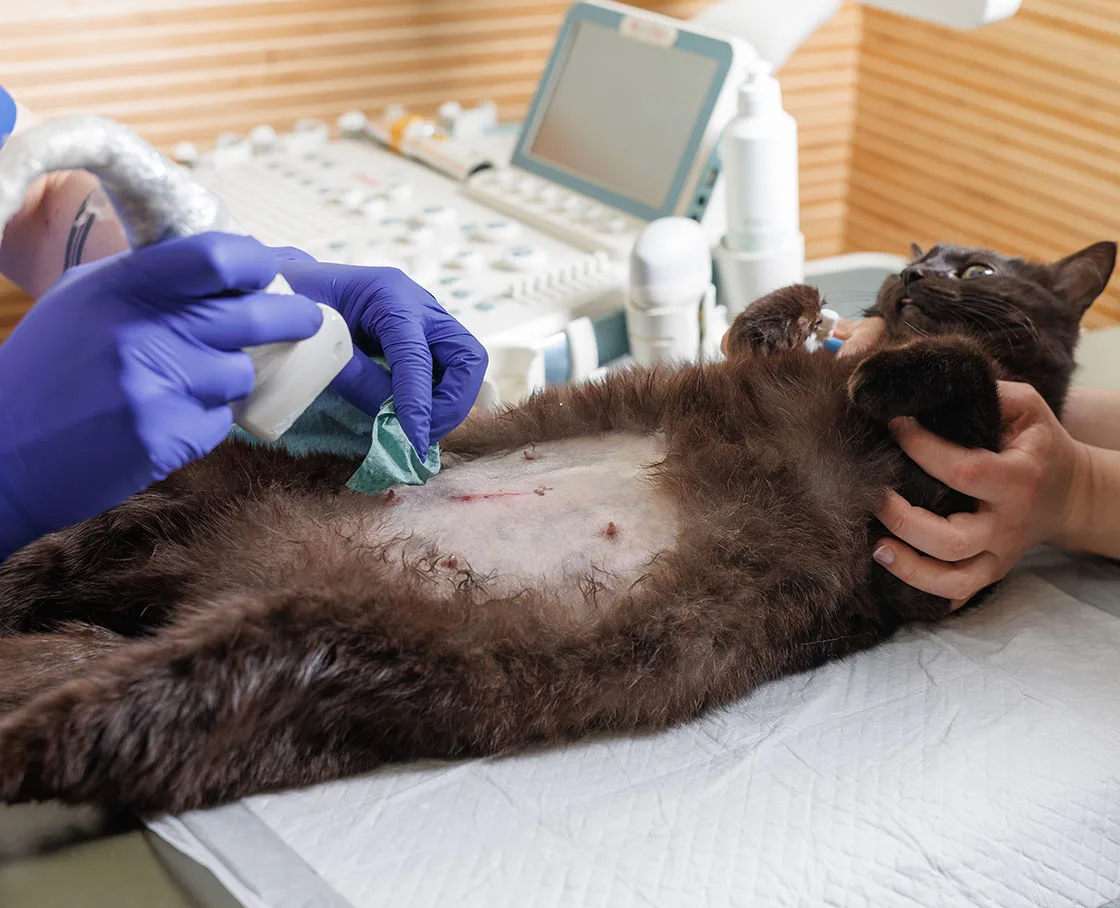
What to Expect During Your Pet’s Imaging Appointment
Before the imaging study, our team will review your pet’s medical history and explain how to prepare for the appointment. Preparation differs according to the type of imaging being performed. You could be instructed to withhold food or adjust the timing of certain medications.
Some imaging studies can be completed while a pet is awake. Others require sedation or anesthesia to help the patient remain comfortable and still enough to obtain clear, diagnostically useful images. Your veterinary team will explain what is recommended and discuss any associated considerations before proceeding.
After the study, the images are reviewed and interpreted by the veterinary radiologist. The findings are then shared with the veterinarian overseeing your pet’s care so that appropriate next steps can be discussed with you.

Collaborative Specialty Care
Veterinary radiologists frequently collaborate with surgeons, internists, neurologists, oncologists, cardiologists, emergency veterinarians, and primary care veterinarians. This team-based approach connects imaging findings with the rest of your pet’s medical information and helps guide recommendations for additional testing, treatment, or monitoring.
Veterinary Radiology FAQs
What is the difference between radiology and an X-ray?
Radiology is the broader medical specialty dedicated to diagnostic imaging and image interpretation. X-rays, also called radiographs, are one type of imaging used within veterinary radiology.
Why does my pet need diagnostic imaging?
Your veterinarian could recommend imaging when a physical examination or laboratory testing does not provide enough information to diagnose or fully evaluate a condition. Imaging allows veterinarians to examine internal structures without exploratory surgery.
Why should imaging be interpreted by a veterinary radiologist?
Board-certified veterinary radiologists have advanced training in recognizing and interpreting imaging findings across different body systems and imaging technologies. Their expertise can be especially valuable for subtle, unusual, or complex conditions.
Does my pet need a referral?
Referral requirements differ by hospital. Contact Meadow Vista Veterinary Clinic to learn whether a veterinary referral is required and which medical records should be provided before your pet’s appointment.
Will my pet need sedation or anesthesia?
It depends on the type of study, the part of the body being examined, and your pet’s comfort and ability to remain still. Some studies can be performed while a pet is awake, while others require sedation or anesthesia to obtain accurate images safely.
Is veterinary diagnostic imaging safe?
Veterinary teams follow established safety protocols and select imaging methods based on each patient’s needs. Imaging methods that use ionizing radiation are performed using appropriate protective measures and the lowest exposure needed to obtain diagnostically useful images.
How should I prepare my pet for an imaging appointment?
Instructions depend on the planned procedure. You could be asked to withhold food, provide a current medication list, or bring previous images and medical records. Follow the instructions provided by Meadow Vista Veterinary Clinic, and contact us if you have questions before the appointment.
When will I receive the imaging results?
The timing depends on the type and complexity of the study and whether additional consultation is needed. Your veterinary team will explain when results are expected and who will contact you to discuss the findings.
Can diagnostic imaging identify every condition?
No single imaging study can identify every condition. Additional imaging, laboratory testing, tissue sampling, or other diagnostic procedures can be necessary to reach or confirm a diagnosis.
Is diagnostic radiology the same as radiation oncology?
No. Diagnostic radiology uses medical imaging to evaluate and diagnose disease. Radiation oncology is a separate veterinary specialty that uses therapeutic radiation to treat cancer and certain other conditions.
Book an Appointment at Meadow Vista Veterinary Clinic
New pets are always welcome at Meadow Vista Veterinary Clinic. Our friendly veterinary staff looks forward to providing our neighbors in the area and surrounding communities with the veterinary care they need.